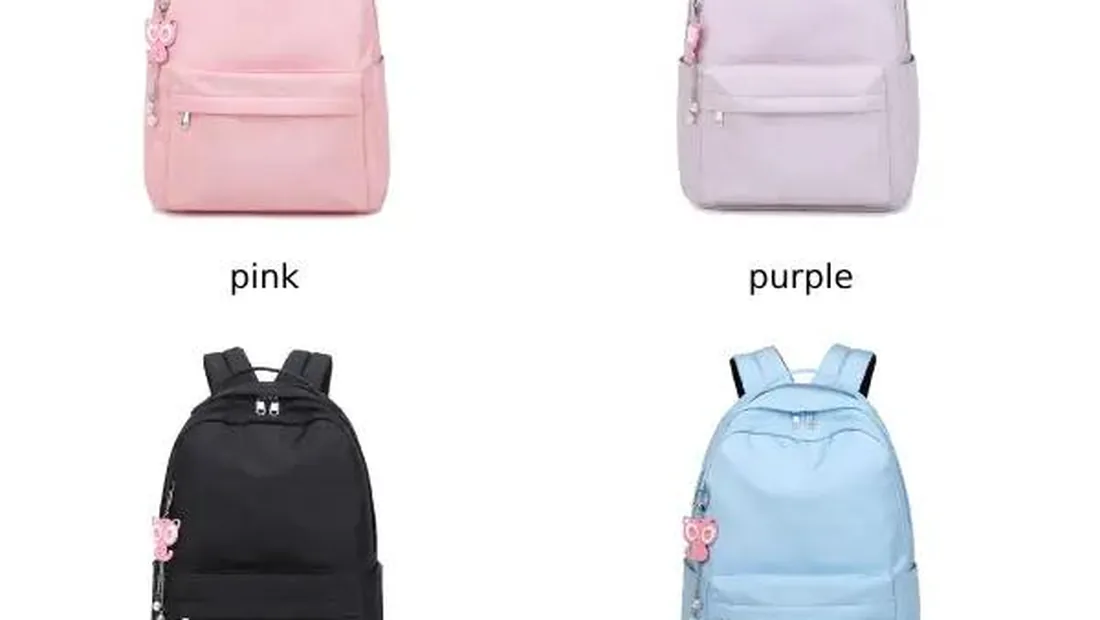
Childrens bags are not smaller adult bags. A buyer who treats them that way ends up with returns, failed inspections, or a compliance problem that surfaces months after the shipment. The category covers school backpacks, dance bags, sports duffels, swim bags, overnight bags, and activity totes. It demands different decisions on fit, materials, hardware, and testing. This guide walks through the changes that matter when you source for kids and youth.
What Changes Versus Adult Bags
The first change is load. A child's frame is not a scaled-down adult frame. Shoulders are narrower. The torso is shorter. The hip bones sit higher. A bag that fits an adult will hang past a child's lower back or pull the straps off the shoulders. That is not a styling issue. It changes how the load transfers.
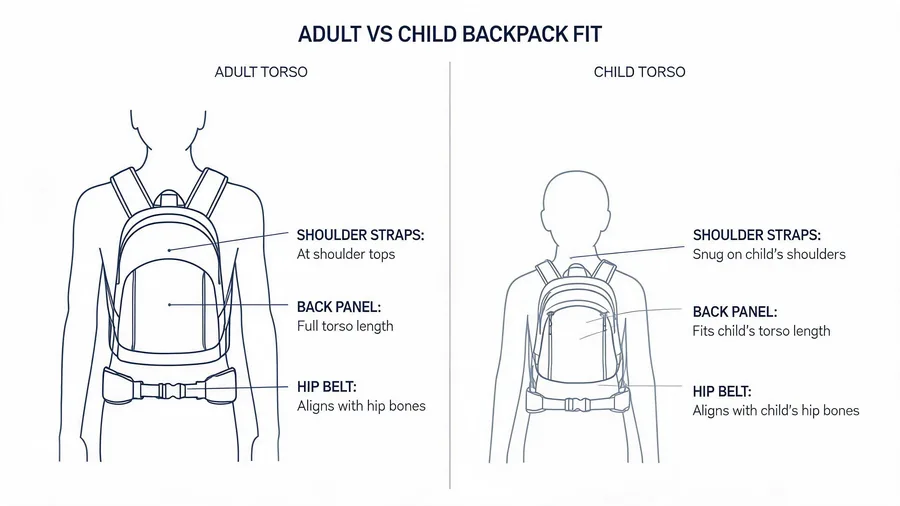
Size limits follow the wearer, not the product category. A school backpack for a six-year-old should sit between the base of the neck and the top of the hip. A dance bag for the same child can be longer only if it is carried by hand or slung low without a hip belt. You cannot fix a bad length with more padding. You fix it with a shorter back panel and a different strap anchor position.
Weight is the second change. The bag itself should stay light because the contents already weigh enough. Books, lunch, a water bottle, dance shoes, a towel. A heavy empty bag eats into the load a child can carry comfortably. This pushes you toward lighter shell fabrics, simpler linings, and less hardware. It also pushes you to specify a padded but not overbuilt back panel.
Third, kids abuse bags differently. They drag them. They sit on them. They swing them by one strap. They leave them on wet floors. Durability for a children's bag means seam strength at the strap anchors, abrasion resistance on the base, and zippers that survive being yanked open with dirty hands. Adult bags get worn. Kids bags get tested.
Strap and Back Panel Design for Growing Bodies
Shoulder straps on kids bags need a different shape. Narrower strap spacing. A softer edge. Less foam density. A strap that is too wide gaps at the neck. A strap that is too firm digs in. Contoured straps help, but only if the contour matches a child's shoulder slope, not an adult's.
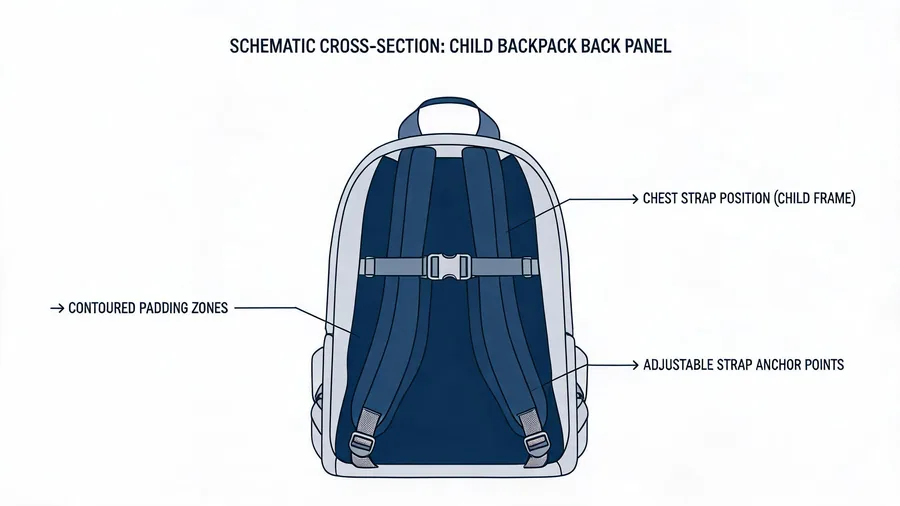
The sternum strap matters more on kids bags than on adult daypacks. It keeps the shoulder straps from sliding outward during movement. That movement is constant on a playground or a gym floor. A simple webbing sternum strap with a side-release buckle is enough. It does not need load-lifter complexity.
Back panels should use light padding with airflow channels. Spacer mesh works well. A thick lumbar pad on a small child's bag is wasted. It adds weight and pushes the load away from the body. The goal is contact without pressure, and ventilation without a bulky frame.
Hip belts on children's bags deserve a hard look. On a small daypack, a waist strap can help stabilize the bag. But if the torso length is wrong, the belt ends up around the stomach. That is uncomfortable and useless. Many youth activity bags skip the hip belt entirely. A buyer who wants one should test the torso length before approving the pattern.
Cleanability Changes the Material Conversation
Kids bags get dirty. Food, mud, marker, sunscreen, spilled drinks. A light-colored cotton canvas school bag looks great in a catalog and looks terrible after one term. Cleanability is not a nice-to-have. It is a return-rate driver.
This pushes many buyers toward coated polyester or nylon. A polyurethane coating gives a wipeable surface. A PVC coating gives stronger moisture resistance but adds stiffness and weight. TPU lamination is another option when the bag must handle wet contents, like a swim bag or a lunch spill. The trade-off is hand feel. Coatings make the fabric less soft. For a child's daily bag, a light PU coating often balances cleanability and feel.
Liners matter too. A light-colored liner shows stains. A dark or patterned liner hides them. A PEVA liner wipes clean and resists moisture. For a drawstring bag used for gym clothes, a simple coated lining beats an uncoated one every time. The buyer should specify the liner material, not just the shell.
Zippers on kids bags need to survive dirt and sand. A chunky molded-tooth zipper with a large pull is easier for small hands and harder to clog than a fine coil zipper. The zipper tape should be specified for repeated washing or wiping, depending on the care instructions.
Chemical and Mechanical Scrutiny Is Different
Children's products attract the strictest regulatory attention. In the United States, the Consumer Product Safety Commission (CPSC) enforces rules under the Consumer Product Safety Improvement Act. The obligations depend on the product. A school backpack is not automatically a children's product under every CPSC rule, but many kids bags are treated as such because they are designed for use by children. Check current CPSC guidance for your specific item.
Lead content, phthalates, and small parts are the recurring concerns. A zipper pull that detaches is a small part. A decorative charm that snaps off is a small part. A magnetic closure that comes loose is worse. The buyer must decide which components are child-contact and specify them accordingly. No supplier claim replaces that decision.
In the European Union, REACH restricts certain chemicals in articles placed on the market. The European Chemicals Agency (ECHA) publishes the candidate list and restriction list. Again, the obligation attaches to the product and its components, not to the factory. A bag made from compliant fabric can still fail if a plastic buckle or a printed logo contains a restricted substance.
The practical move is to build a restricted substances list into the specification. Name the materials. Name the components. State the test method. Then require test reports from an accredited lab for the exact material lots and component versions you approve. Do not accept a blanket statement that a factory is compliant. That statement means nothing in a customs review.
Mechanical Safety and Small Parts
Mechanical testing for children's bags goes beyond normal bag QC. Zipper pulls, buckles, snaps, hooks, and decorative elements get pulled, twisted, and bitten. The test methods depend on the age group. A bag for a three-year-old faces different requirements than a bag for a twelve-year-old.
Cords and drawstrings are a specific hazard. A drawstring around the neck or a long cord on a backpack can catch on playground equipment. Many jurisdictions restrict drawstrings on children's upper outerwear and bags. Check the current CPSC and ECHA guidance for your market. The design fix is simple: eliminate neck drawstrings, shorten cord ends, and use breakaway or hidden cord locks where a cord is unavoidable.
Sharp edges are another inspection point. A metal zipper pull with a burr. A plastic buckle with a rough parting line. A rivet that was not set flush. These are workmanship issues in adult bags. In children's bags they are safety defects. The visual inspection standard should be tighter, and the acceptable quality level should be agreed before production.
Specification Checklist for a Kids Line
Here is a working checklist. It is not exhaustive. It is the minimum a buyer should lock before quoting.
| Spec item | What to define for kids bags | Why it matters |
|---|---|---|
| Back panel length | Match to intended age or torso range, not adult sizing | Fit and load transfer |
| Strap width and spacing | Narrower spacing, softer edge, contoured for child shoulders | Prevents neck pressure and slipping |
| Bag empty weight | Set a maximum based on shell and lining choices | Total load on a growing body |
| Shell material | Coated polyester or nylon, wipeable face | Cleanability and durability |
| Liner material | PEVA or coated fabric, dark or patterned | Stain resistance and moisture control |
| Zipper type | Molded tooth, large pull, no sharp edges | Small hands and dirt resistance |
| Small parts | No detachable charms, secured pulls, tested attachments | Choking and ingestion risk |
| Drawstrings and cords | Eliminate neck cords, shorten ends, specify cord locks | Entanglement hazard |
| Chemical restrictions | List restricted substances per market, name test methods | CPSIA and REACH exposure |
| Test reports | Require lab reports for exact lots and component versions | Traceable compliance |
A buyer ordering 800 units in three colors will still need every one of these decisions. The volume does not reduce the compliance burden. It only changes the unit cost.
Where Kids Bags Overlap Other Categories
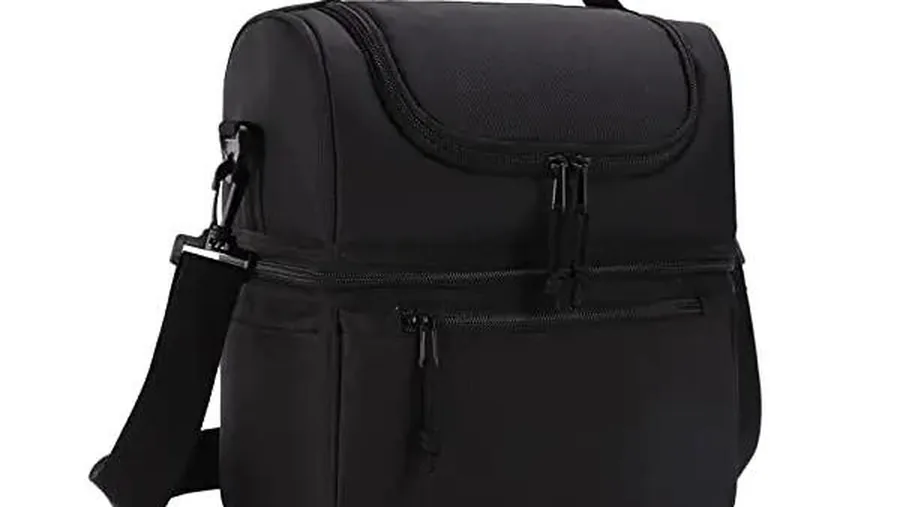
Many children's bags borrow construction from adjacent product lines. A kids lunch tote shares insulation logic with a cooler bag. A toddler's activity bag shares leak-containment thinking with a diaper bag. A kids dance duffel shares garment-protection features with a garment bag. The difference is always the same: size, weight, and the safety layer.
Say a buyer wants a kids swim backpack. The main compartment needs a wet section. The shell should be a coated fabric, not an absorbent canvas. The straps need to be narrow and soft. The zipper needs to be chunky and rust-resistant. The bag should not have a drawstring around the neck. That is a children's product with a cooler-bag liner and a daypack frame. The spec should reflect all three.
One Thing Buyers Underestimate
Testing lead time. A children's bag cannot skip the lab. The fabric test, the component test, the small parts test, the finished product test. Each takes days or weeks depending on the lab and the market. A buyer who plans a spring launch but approves the spec in February is already late.
The fix is to lock the restricted substances list early. Send the material and component samples to the lab before production starts. Do not wait for the pre-shipment inspection. If a buckle fails, you want to know while the fabric is still on the roll, not after 3,000 bags are sewn.
MOQ varies by style and trim. Contact us with the spec and we will quote against it rather than against a generic category number. That is the honest answer for a category this varied.
Final Word on Sourcing Childrens Bags
The buyers who do well in this category are the ones who write a tighter spec. They name the age range. They set a maximum empty weight. They specify the coating. They list the restricted substances. They require lab reports by lot. They do not ask the factory to promise compliance. They ask the factory to meet a written standard and prove it.
Childrens bags reward that discipline. The returns are lower. The inspection results are cleaner. The customs clearance is smoother. And the product actually fits the child who carries it.
Frequently Asked Questions
Do children's bags need different MOQs than adult bags?
MOQ varies by style, fabric, and trim. A simple polyester school backpack may start differently from a structured dance bag with multiple compartments. Send the spec and we will quote against it. We do not apply one generic category number to every kids bag.
What is the biggest compliance mistake buyers make with kids bags?
Accepting a supplier's general claim of compliance. CPSIA and REACH obligations attach to the specific product, its components, and the exact material lots. You need lab reports for the materials and components you approved, not a blanket statement.
Can I use the same backpack pattern for adults and children?
No. The back panel length, strap spacing, strap width, and empty bag weight all need to change for a child's frame. A scaled-down adult pattern usually fits poorly and transfers load to the wrong points.
What fabric should I choose for a kids swim bag?
A coated polyester or nylon shell with a PEVA or coated liner works well. The coating gives a wipeable surface and the liner contains wet contents. Avoid absorbent canvas and specify rust-resistant zipper hardware.