Woven Bag Manufacturer
Straw totes, cotton rope weaves and PP woven shoppers for beach, resort and retail programs.
Overview
Our woven bag lines cover the natural-look spectrum: hand-woven cotton rope totes, straw and crochet combinations, bohemian cotton-linen weaves and durable PP woven shoppers. MOQs are set by material so small brands can start where it makes sense, from 50 pieces on leather-accented styles up to 500 on special functional materials.
Representative styles
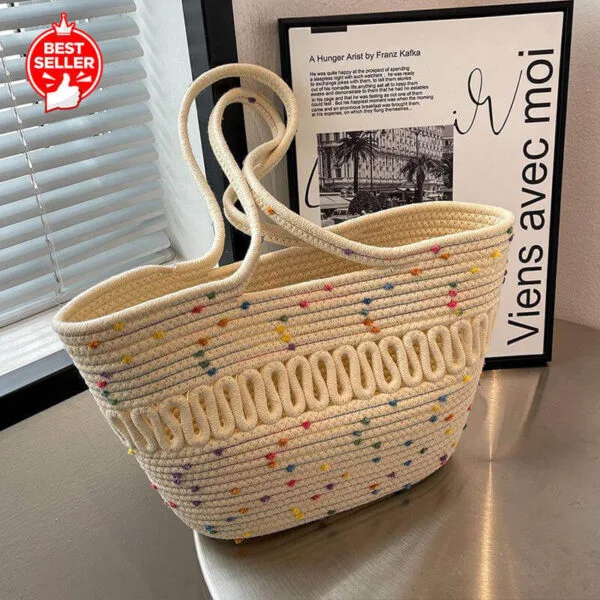
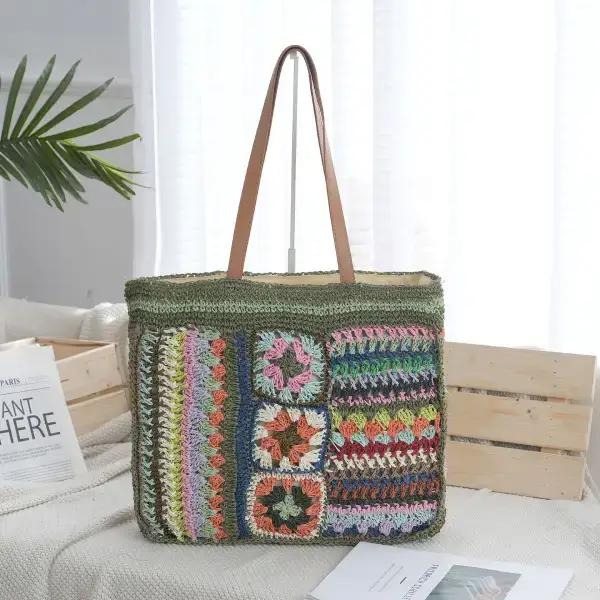
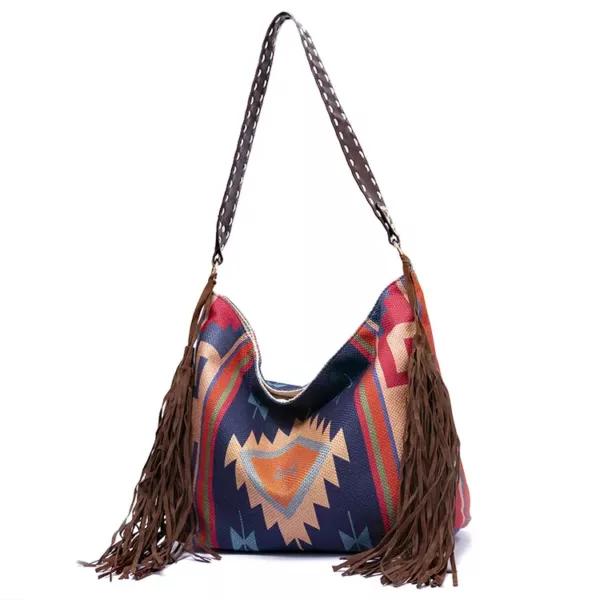
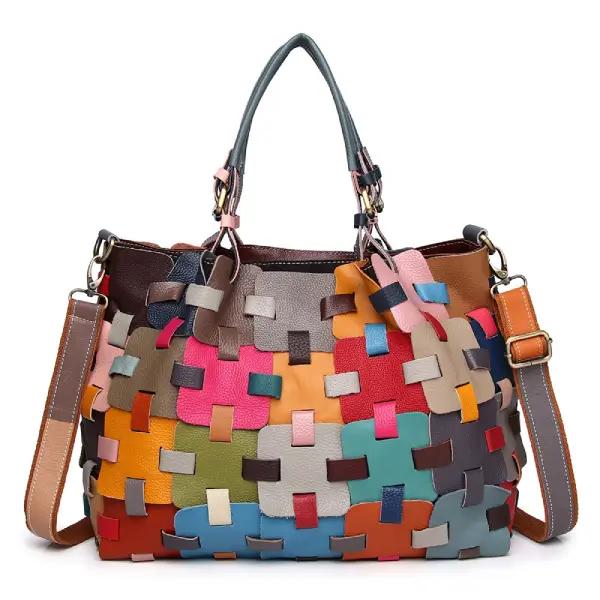
Shown styles are from our production lines; every program is built to your design, materials and branding.
MOQ and lead times
| MOQ | PP woven 100 / cotton canvas 200 / straw & rattan 300 / leather-accented 50 / special functional materials 500 pcs |
|---|---|
| Sampling | 1-10 days, paid samples; one revision round in 2-3 days |
| Production | confirmed per order; sampling 1-10 days |
| Rush options | +20% fee cuts lead time 30%; +30% cuts 50%; +40% cuts 70% |
| Shipping | Sea, rail or air; courier door to door in 5-7 working days for small lots; sea freight 40-45 days |
Go deeper
Sourcing straw and beach lines specifically? See our dedicated woven site, strawbagmanufacturer.com, for the full seasonal collection.
Materials and construction options for woven bags
A woven bag supplier works with materials that behave very differently from the polyester and nylon fabrics used in most soft luggage. The weave is the structure. It decides how the bag holds its shape, how it handles moisture, how it folds for shipping, and how it ages. Buyers who treat woven bags like printed totes usually specify the wrong material and pay for it later in returns or failed inspections.
Construction starts with the body weave, then the handles, the liner if there is one, and the binding or edge finishing. A straw beach tote with raw edges will shed. A PP woven market bag with a cheap cotton handle will tear at the attachment point. The material choice is not just about looks. It sets the failure mode.
The table below compares the realistic options. It is drawn from the industry reference on shell materials and our own production notes on what each weave does in a factory setting. Use it to narrow the field before you ask for samples.
| Material | Good for | Where it fails |
|---|---|---|
| PP woven ribbon | Reusable market bags, promotional totes, high-volume grocery replacements | Stiff hand feel, limited print detail, may become brittle with prolonged UV exposure |
| Cotton canvas | Structured totes, beach bags, bags that need a premium natural texture | Heavier when wet, slower to dry, higher cost than PP at volume |
| Straw and raffia | Resort and beach styles, decorative totes, summer retail collections | Shape loss under load, edge fraying, inconsistent fiber color between batches |
| Leather or synthetic leather trim | Handles, base panels, premium accents on woven bodies | Cost jumps quickly, color matching across materials is difficult, leather needs edge treatment |
| Special-function coated weaves | Cooler-style woven bags, water-resistant market totes, bags that must hold a shape | Coating changes the hand feel, adds weight, and can crack at fold lines |
One thing the table cannot show is how these materials behave in combination. A straw body with a cotton canvas lining is common. A PP body with a leather handle is not, because the attachment points pull through the weave. A supplier who knows woven bags will push back on combinations that look good in a render but fail in a drop test. That pushback is what you are paying for when you choose a factory over a trading company.
How to specify a woven bag for your situation
Specification is not one conversation. It is a series of decisions that change depending on the buyer's channel, volume, and end user. Here are three situations we see repeatedly, and the decisions that actually move the outcome.
Say a buyer is launching a summer beach collection for boutiques. They need 300 units across three straw styles. The first decision is whether the straw is natural or synthetic. Natural raffia looks better in photos but varies in color between dye lots. A buyer who needs all three styles to sit together on a shelf should specify synthetic straw or accept wider color tolerance. The second decision is the liner. A sewn-in cotton liner adds cost and lead time but prevents small items from poking through the weave. A buyer who skips the liner to save money will see returns when sunglasses fall through the gaps. The third decision is the handle length. Boutique customers carry a beach tote over the shoulder more often than in the hand. A handle that is too short changes how the bag is used. None of these decisions appear on a standard spec sheet unless the buyer asks for them.
Another buyer is sourcing reusable grocery bags for a retail chain. Volume is high, maybe 50,000 units. The material is PP woven ribbon. The key decision here is gusset construction. A flat bag with no gusset is cheaper to cut and sew, but it holds less and looks sloppy when loaded. A box-stitch gusset adds a few cents per unit and makes the bag stand open at the register. The second decision is print placement. PP woven ribbon takes screen printing well on flat panels, but the weave shows through fine lines. A buyer who wants a detailed logo should specify a larger print area with a solid background block. The third decision is the seam finish. Overlock stitching is faster and cheaper, but it leaves a visible thread edge that can unravel. Folded binding costs more but survives repeated machine washing. For a chain that expects bags to be reused for years, the binding pays for itself.
A third buyer is developing a branded gift-with-purchase item. The quantity is low, maybe 100 units, and the bag is a small woven pouch with a leather-look trim. The first decision is whether the trim is real leather or synthetic. Real leather at 100 units is expensive and the minimum order for the leather supplier may exceed the bag order. Synthetic leather trim is more practical, but the color must be matched to the woven body under store lighting, not just under factory lighting. The second decision is the closure. A magnetic snap is quick to install but can pull out of a loose weave. A zipper is more secure but adds a sewing step and a failure point. The third decision is the hang tag. A gift-with-purchase item needs a tag that survives shipping and handling. A cheap tag that falls off makes the whole gift look cheap. These are small decisions, but they change the perceived value of the product more than the weave itself.
In every case, the buyer who specifies early gets a better sample. The buyer who says "just make it look like the photo" gets a sample that matches the photo and fails in use. A woven bag supplier who does not ask about end use is not doing their job.
Customization that changes tooling, cost, or lead time
Not all customization is equal. Some changes are free or nearly free. Others require new tooling, a new material run, or a longer sample cycle. The distinction matters because it changes your quote and your timeline.
Changes that do not usually change tooling include logo placement, print color, handle length within a standard range, and liner fabric selection from existing stock. These are specification changes. The factory adjusts the cutting pattern or the print screen and moves on. They may add a day to the sample round, but they do not require a new mold, a new die, or a new material order.
Changes that do change tooling include a new bag shape, a new handle attachment method, a new closure type, or a change in the weave density of the body material. A new shape means a new cutting die. A new handle attachment means a new sewing fixture or a reinforcement patch. A new closure type means a new hardware order and possibly a new punching die. These changes add setup cost and usually add time to the sample round. The exact time depends on the change and the factory's current schedule. Contact us with your specific design and we will give you a realistic estimate.
One category buyers often misunderstand is color. Pantone matching on woven materials is not the same as Pantone matching on coated nylon. The weave creates shadows and highlights that shift the perceived color. A buyer who specifies Pantone 19-4052 Classic Blue on a straw bag will get a bag that looks darker in the weave valleys and lighter on the fiber crowns. The factory can match the dye lot to a tolerance, but the visual result will not be flat. If flat color is the goal, a coated woven material or a printed panel is the better choice. That changes the material and possibly the tooling.
Another misunderstood category is size. A buyer who asks for a bag that is 10% larger assumes the cost goes up 10%. It does not. The cutting die changes, the material yield changes, and the shipping carton dimensions change. A 10% size change can add more than 10% to the unit cost because the factory loses material efficiency on the cutting table. Ask for a new quote when the size changes by more than a few centimeters. Do not assume the old price scales.
If you are unsure whether a change requires new tooling, ask before you approve the sample. A good factory will tell you. A bad factory will absorb the cost into the unit price and you will find out later. For more on how our process handles these decisions, see the OEM/ODM process page.
What to check before approving production
Pre-production approval is where most woven bag problems are caught. The reference material on bag construction lists the test points that matter for woven categories. Here is what to check before you sign off.
First, check the weave density against the approved sample. A supplier who is behind schedule may loosen the weave to speed up production. The bag looks the same from a distance, but it stretches more under load and the handles pull out sooner. Count the warp and weft yarns per unit length on the production sample and compare to the approved sample. If the count is lower, reject the batch.
Second, check the seam and attachment points. Woven bags fail at the handles, the base corners, and the closure. Pull test the handle attachment by loading the bag to its stated capacity and lifting it repeatedly. The stitching should not shift and the weave should not tear. If the bag has a liner, check that the liner is sewn into the seam, not just glued. Glue fails in heat and moisture.
Third, check colorfastness on the body material and any trim. Woven bags are often used outdoors. A straw bag that bleeds color onto a white beach towel is a return. A PP bag that fades after two weeks in a store window is a chargeback. The reference lists colorfastness as a key specification term. Ask for a crocking test on the production sample before the full run.
Fourth, check the claim control. If the bag is marketed as water-resistant, insulated, or reusable for a certain number of cycles, the factory needs to test to that claim. Do not let a sales description become a performance warranty without a test behind it. A woven bag with a coated liner is water-resistant, not waterproof. A bag with a thin foam layer is insulated, not a cooler. The wording on your packaging and your product page must match what the bag actually does. If the factory cannot provide a test report for the claim, change the claim or change the bag.
Finally, check the packaging. Woven bags are bulky and they do not fold flat unless designed to. A straw tote shipped in a poly bag will arrive crushed. Ask for a carton packing test before the full run. The bag should arrive at the customer's door looking like the sample, not like it spent a week under a pallet. For buyers who also source cosmetic bags or cooler bags, the same pre-production discipline applies. Woven bags just punish sloppy packing more visibly.
The pre-production check is not a formality. It is the last chance to catch a problem before it becomes 50,000 units of a problem. A woven bag supplier who rushes you through this step is not protecting your brand. Take the time. Check the details. The cost of a delayed approval is small compared to the cost of a failed season.
FAQ
What are the MOQs for woven bags?
PP woven from 100 pcs, cotton canvas from 200 pcs, straw and rattan weaves from 300 pcs, leather-accented styles from 50 pcs, and special functional materials from 500 pcs.
Which woven materials do you work with?
PP woven, cotton canvas in 8-15 oz weights, straw and rattan weaves, cotton rope and leather-accented combinations.
How long is production?
Sampling takes 1-10 days; confirm timelines per order since hand weaving varies by construction.
Can woven bags carry custom branding?
Yes: woven labels from about 300 pieces, metal plates from about 200, and hang tags with any packaging option.