Bags in Stock, Wholesale, Shipped in 24-48 Hours
When the season will not wait for a 20-day production run, pull from a warehouse holding 3,000,000+ items across our best-selling styles.
How ready-to-ship works
24-48h dispatch
Mix and match
Logo in 3-7 days
Inside the warehouse
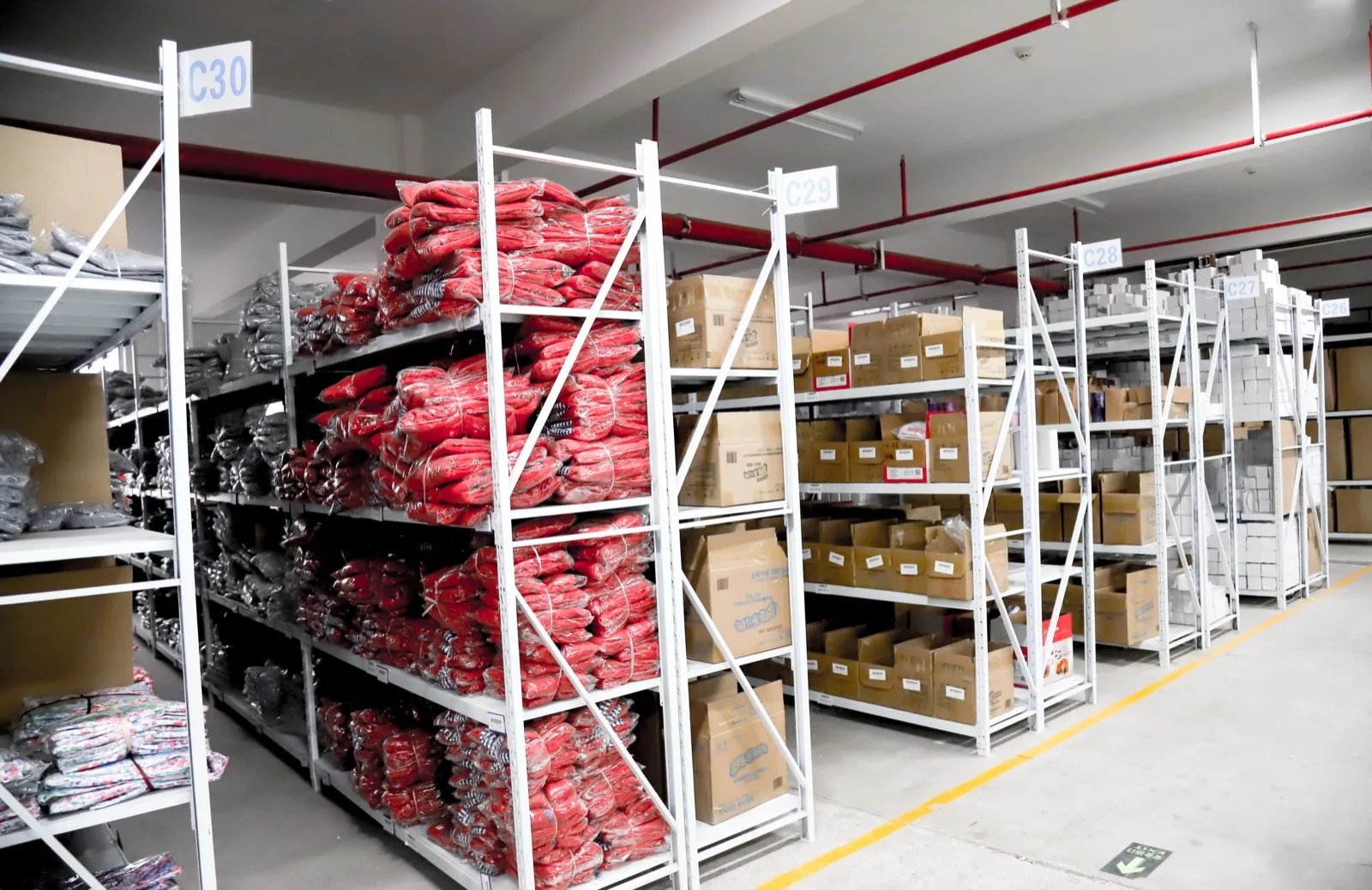
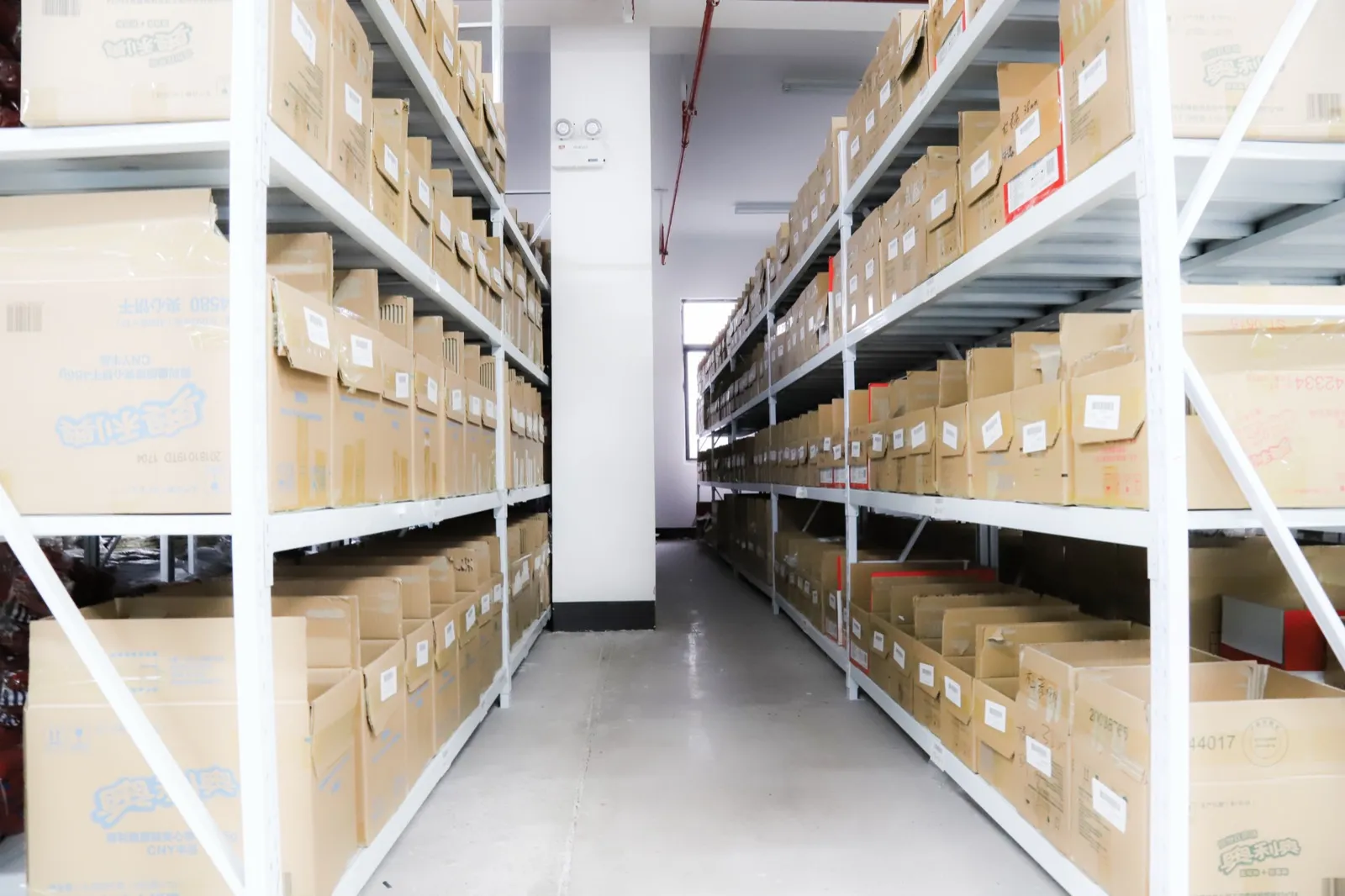
Shipping options
Small ready-to-ship batches go courier door to door in 5-7 working days via DHL, FedEx, UPS or TNT. Larger replenishment orders move by sea (40-45 days), rail or air freight, whichever fits your landed-cost target.
Materials and Construction for Ready to Ship Bags
Ready to ship bags are not one product category. They are a buying mode. The factory builds stock in advance, holds it in a warehouse, and dispatches within 24 to 48 hours after the order is confirmed. What matters on this page is which materials survive that model. A fabric that works beautifully for a made-to-order backpack may be a terrible choice for stock that sits on a shelf for months, gets handled by warehouse staff, and then travels in a carton next to unrelated products.
Say a buyer needs 300 cooler bags by Friday. They cannot wait for a lab dip. They cannot approve a strike-off. They are choosing from what exists. The material decision has already been made by the factory, and the buyer's job is to judge whether that decision matches their end use. The table below lays out the realistic options for stock bags and where each one fails.
| Material | Good for | Where it fails |
|---|---|---|
| 600D polyester with PU coating | Backpacks, duffels, promotional bags that need a clean printable surface | Feels stiff in cold weather; coating can crack after repeated folding if the stock is old |
| 210D nylon ripstop | Drawstring bags, packable totes, anything that must fold into a pouch | Shows abrasion at corners quickly; not a good choice for heavy or sharp contents |
| Cotton canvas, 10 to 12 oz | Grocery totes, beach bags, corporate gift bags where a natural hand feel matters | Stains easily in warehouse handling; shrinks if exposed to moisture before cutting |
| PEVA or EVA lined polyester | Cooler bags, lunch bags, toiletry kits that need wipe-clean interiors | Liner can delaminate at heat-welded seams if the welding temperature was not controlled |
| Recycled PET woven or nonwoven | Eco-positioned shopping bags, trade show giveaways | Strength varies by supplier; a cheap rPET nonwoven tears at the handle attachment |
The construction method follows from the material. A heat-sealed PEVA liner inside a cooler bag is not the same as a sewn liner. The welded seam is what keeps melted ice from leaking into the foam layer. A sewn seam, even with binding, will weep at the needle holes. Buyers who plan to resell stock cooler bags should ask whether the liner seams are welded or sewn. The answer changes the return rate.
How Different Buyers Should Specify Ready to Ship Bags
The phrase ready to ship bags means something different to a boutique owner than it does to a corporate procurement team. The specification decisions that actually change the outcome are not the same for both. Here are three situations that show where the use is.
A buyer who runs a regional promotional products company needs speed first and branding second. They might take 200 stock backpacks, add a one-color logo, and deliver to a client event in ten days. For them, the specification that matters is the decoration method. Screen printing on a stock bag is fast and cheap but only works on flat panels. Embroidery on a stock bag requires the factory to open a seam or use a specialty machine if the logo lands on a gusset. The buyer should ask what decoration methods are already set up for each stock SKU. A bag that is not decoration-ready is not actually ready to ship for their purpose.
A different buyer is a brand owner testing a new market. They want 500 units of a cooler bag with their label sewn in, but they do not want to pay for custom tooling. For them, the specification that matters is the label placement and the hang tag. A woven label sewn into the binding adds almost no time. A hang tag with a barcode changes the carton packing. If the factory stocks the bag with a generic tag, swapping to a branded tag means opening and resealing cartons. That is not a 24-hour process. The buyer should specify whether the stock cartons can be opened without damaging the retail presentation.
A third buyer is an e-commerce seller who needs consistent product photography and a low defect rate. They are not in a hurry. They are comparing three suppliers of stock cosmetic bags. For them, the specification that matters is the inspection standard. They should ask what AQL the factory uses for stock items. The industry reference defines AQL as the acceptance quality limit used with a sampling plan. A buyer who does not name a number is relying on the factory's internal standard. A buyer who names a number, say AQL 2.5 for major defects, changes the conversation. The factory either agrees or explains why the stock line cannot meet it. That answer is worth more than a sample photo.
These three buyers are all buying ready to ship bags. They are not buying the same thing. The specification that matters is the one that touches the buyer's downstream risk. Speed buyers care about decoration setup. Brand buyers care about label and carton changes. E-commerce buyers care about defect sampling. Everything else is secondary.
Customization That Changes Tooling, Cost or Lead Time
Not all customization is equal. Some changes to a stock bag cost nothing and add no time. Other changes trigger new tooling, a new cutting die, or a new production run. The distinction is not always obvious from a supplier's price sheet.
Customization that does not change tooling includes adding a screen-printed logo to a flat panel, sewing a woven label into an existing seam, swapping a hang tag, or changing the poly bag packaging. These changes happen after the bag is made. The factory can do them in a finishing room. Lead time stays within the 3 to 7 day window for stock with logo. The cost is per-piece decoration, not tooling.
Customization that changes tooling includes changing the zipper pull shape, adding a custom buckle, altering the panel dimensions, or introducing a new material. A custom zipper pull requires a mold. A custom buckle requires a mold. A new panel size requires a new cutting die and a new nesting plan. The industry reference describes marker efficiency as the percentage of material area used by pattern pieces in a cutting layout. A new pattern changes that efficiency. The factory may need to recut, resew, and requality-check the whole line. That is not a stock item anymore. It is a small custom run with a longer lead time.
There is a middle zone that buyers often misunderstand. Changing the thread color on an existing stock bag is usually trivial. Changing the fabric color is not. The factory may have the same bag style in three colors. If the buyer wants a fourth color, the factory has to source the dyed fabric, cut new panels, and run the line. That is a minimum order quantity question, not a decoration question. The MOQ table on this page covers the stock options. A new color for a stock style may have a different MOQ than the stock item itself.
Honesty matters here. A supplier who says every change is easy is not doing the buyer a favor. A supplier who explains that a logo is easy but a new zipper pull is a mold, a fee, and three extra weeks is giving the buyer information they can plan around. The buyer who hears that early can decide whether the stock item is close enough or whether a full custom order from the product catalog makes more sense.
What to Check Before Approving Production for Ready to Ship Bags
Approving a stock bag is not the same as approving a custom sample. The buyer is not approving a new pattern or a new material. They are approving the factory's existing line against their own quality bar. The checks are different, and they start before the order is placed.
First, check the claim control on any performance wording. If a stock cooler bag is described as keeping contents cold for eight hours, the buyer should ask what test produced that number. The industry reference does not define a universal cold-retention test for bags. A factory may use an internal protocol with a specific ice-to-volume ratio, ambient temperature, and measurement point. The buyer who plans to repeat that claim on their own website needs to know the test conditions. If the factory cannot produce a test method, the claim is marketing, not engineering. The buyer should either soften the wording or run their own test.
Second, check the seam and edge finishing on the stock item. The industry reference lists binding, overedge sewing, and heat sealing as common edge-finishing processes. For a stock bag that will be handled by warehouse staff and shipped in bulk, the edge finish is where defects appear first. A raw edge inside a drawstring bag will fray. A poorly bound seam on a cooler bag will catch on the zipper. The buyer should ask for a photo of the interior seams, not just the front panel. A stock photo shows the outside. The inside is where the factory's workmanship standard lives.
Third, check the hardware attachment points. The industry reference describes lockstitch sewing as a common two-thread stitch for general bag assembly. The stress points on a stock backpack are the strap anchors, the handle attachments, and the zipper stops. A buyer should ask whether these points are reinforced with box-X stitching or bar tacks. The answer tells them whether the stock line was built for real use or for a trade show giveaway. A bag that fails at the strap anchor generates returns, and returns on stock items are harder to absorb because the margin is thinner than on custom orders.
Fourth, check the packaging against the shipping method. A stock bag that ships in a poly bag and then goes into a carton may arrive with creases. A stock bag that ships with a dust bag or a branded poly mailer costs more but protects the retail presentation. The buyer who plans to resell without repackaging should ask what the standard carton pack is. If the factory packs 50 backpacks flat in a carton, the bottom bag will have compression marks. That matters for e-commerce sellers who photograph every unit. It matters less for a corporate buyer handing bags out at a conference.
These checks are not about rejecting the factory. They are about matching the stock line to the buyer's actual risk. A buyer who skips them is buying a photo, not a product. A buyer who asks them is doing what a sourcing manager is paid to do. The factory that answers clearly is the one worth the next order. If the buyer needs a category that is not covered by the stock line, the contact page is where the conversation moves from stock to custom. For buyers who want to compare how stock items differ from made-to-order lines in adjacent categories, the cooler bags and cosmetic bags pages show the same logic applied to specific product families.
FAQ
How fast do ready-to-ship orders leave?
In-stock styles ship from our warehouse within 24-48 hours of order confirmation.
Can I mix styles and colors?
Yes, ready-to-ship orders support mixed styles and mixed colors in one shipment.
Can I still add my logo?
Yes. Adding a logo to stock items takes 3-7 days before dispatch.
How large is the stock pool?
Our warehouses hold 3,000,000+ items across best-selling styles in every core category.